2Sides
Play 2Sides
2Sides Screenshots







2Sides review
An in-depth walkthrough, tips, and personal insights on 2Sides
2Sides is a narrative-driven interactive title that blends branching choices with character-focused scenes to deliver a player-driven experience. In this guide I’ll walk you through what 2Sides is, how its systems work, where to get it, and practical tips I learned playing through multiple routes—so you can decide whether it fits your preferences. I’ll share step-by-step advice, short anecdotes from my play sessions, and clear guidance on save management and settings to help you enjoy the game safely and smoothly.
What is 2Sides and who is it for?
Let’s cut straight to the chase. 🎯 What is 2Sides? In its purest form, it’s an interactive narrative experience where your dialogue choices don’t just flavor the conversation—they actively tear it in two, creating radically different scenes and story outcomes. It’s a game about perspective, consequence, and the fragile line between connection and conflict, all built around a core system of branching choices and intimate character scenes. If you’ve ever wished you could rewind a real-life conversation to try a different approach, this game is that fantasy brought to life.
My first hour with 2Sides was a masterclass in humility. I thought I was a diplomatic genius, carefully selecting what I believed were the kindest, most reasonable options during a tense argument between two characters. I was so proud of myself for “solving” the conflict… until the scene ended with both characters giving me a look of cold disappointment and walking away. My “perfect” choices had completely misunderstood their emotional needs, creating a polite but profound distance. That moment was my 2Sides game overview in a nutshell: your intent is irrelevant; only the impact of your words matters. It’s this razor-sharp focus on the weight of communication that defines the entire experience.
Overview of 2Sides
So, what is 2Sides at its heart? Think of it less as a traditional “game” with points to score or enemies to defeat, and more as a participatory drama. You guide a protagonist through a series of pivotal interactions. The primary focus is exploration—exploration of relationships, of hidden facets of each character’s personality, and of the narrative branches your decisions sprout.
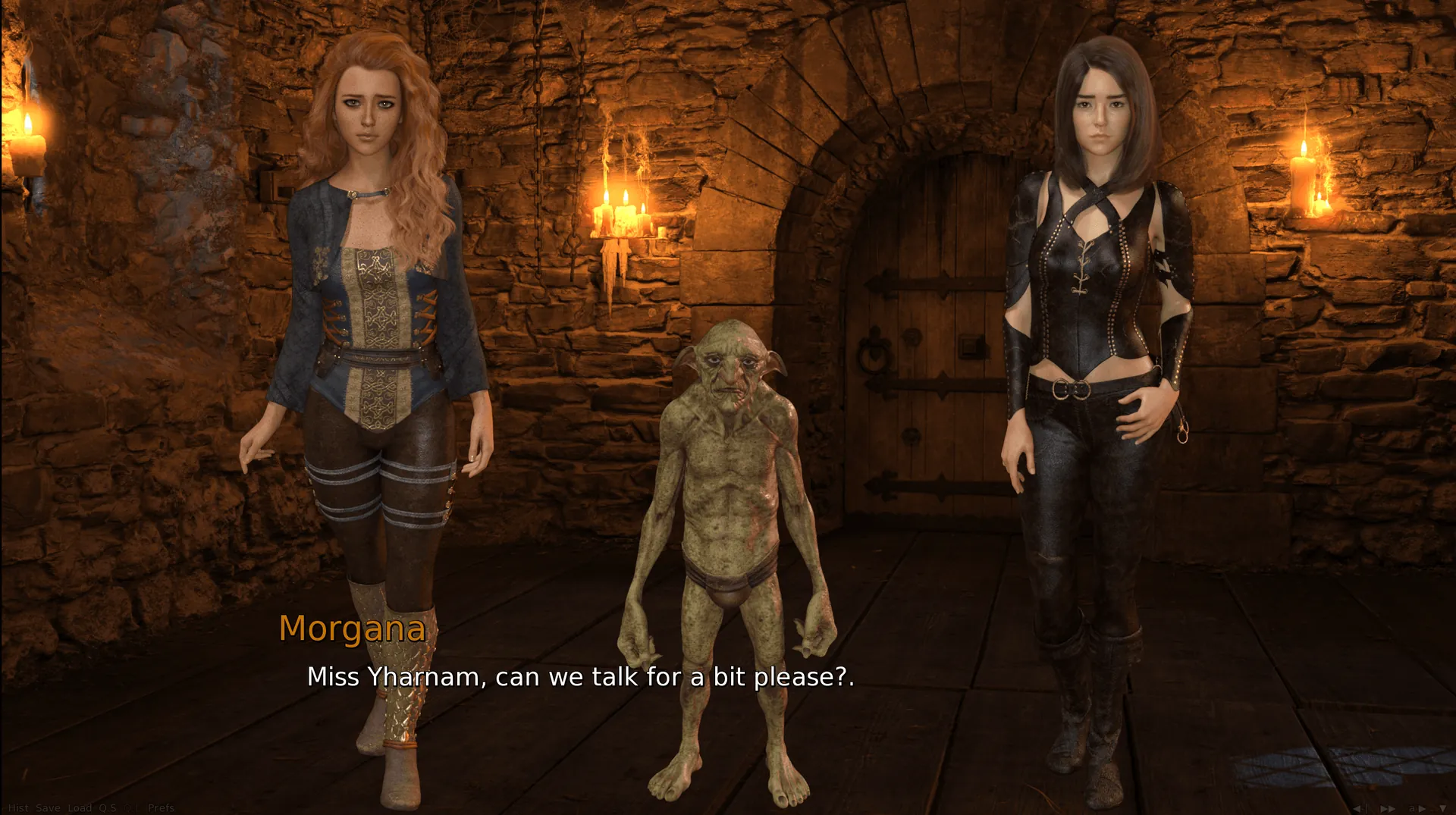
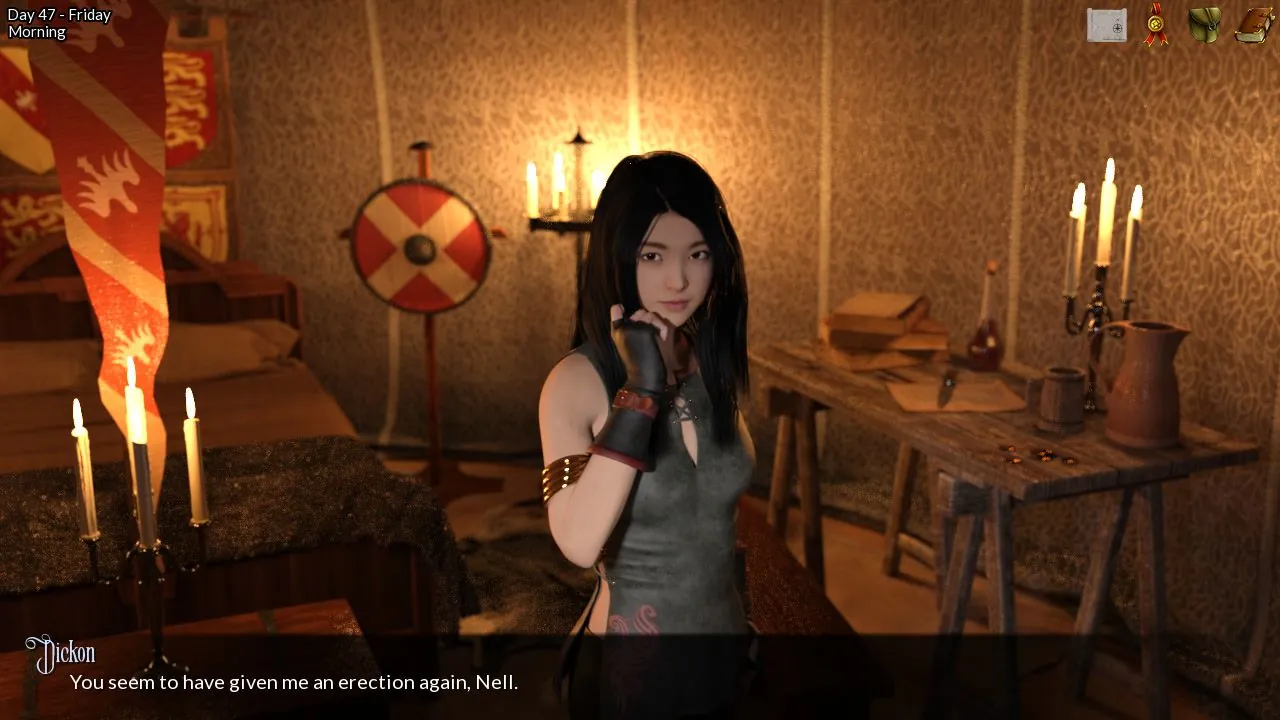
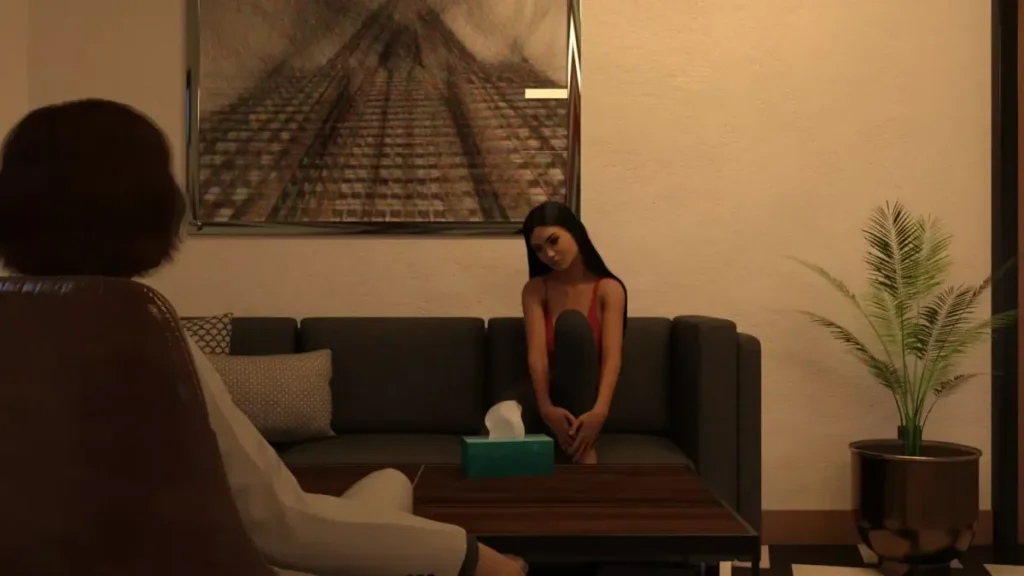
The game’s presentation immediately sets a distinct tone. The art style is often clean and evocative, using color and composition to reflect a scene’s emotional temperature. The user interface is minimalist, putting the text and character expressions front and center. And the music? It’s a subtle character in itself—a soft piano track might underscore a moment of vulnerability, only to be replaced by tense, silent pauses during a brewing argument. This isn’t a flashy blockbuster; it’s a carefully staged play where you hold the script, and the presentation supports that intimacy perfectly.
When considering 2Sides platforms, you’ll typically find it on PC through major digital storefronts. It’s the kind of experience perfect for a laptop or desktop, where you can lean in and focus on the text and nuances. You might also find it directly on the developer’s own site, which is always a great way to support creators directly. The system requirements are mercifully low, as the true horsepower here is in the writing and your own imagination. 💻
Core Mechanics and Narrative Structure
The genius of 2Sides isn’t a mystery; it’s in the elegant, interconnected design of its mechanics. You don’t need a tutorial because the system is intuitively human: you talk, you listen, you choose. Let’s break down the core tools you’ll be using to navigate this world.
-
Dialogue Choices & Branching Paths: Every significant conversation presents you with a set of responses. These aren’t just “Good/Sarcastic/Bad” options. They are genuine, often nuanced reflections of different attitudes—Supportive, Analytical, Confrontational, Vulnerable. Choosing one doesn’t just give you different next lines; it can reroute the entire scene onto a new track. A single choice can unlock a moment of heartfelt confession or slam the door on a relationship entirely. This is the engine of the 2Sides narrative structure.
-
Relationship Dynamics (The Unseen Meter): While you might not always see a traditional “friendship meter” filling up, the game is constantly tracking the subtle shifts in how characters perceive you. Your choices build invisible affinity, trust, or resentment. This isn’t about gaming a system to max out a score; it’s about consistently showing someone who you are through your words. These dynamics directly gate what scenes are available to you and, ultimately, which endings you can reach.
-
Scene Unlocking & Replayability: This is where 2Sides truly shines. Your first playthrough will give you a story, but it is almost certainly not the whole story. The game menu likely features a chapter or scene select screen, dotted with locks and question marks. 🔒 These represent the paths not taken, the conversations that happened behind your back because of a choice you made, or the intimate moments you failed to unlock with a character. To see everything, you must replay, make different choices, and actively explore the narrative from the 2Sides—hence the perfect title.
-
Save/Load Mechanics – Your Time Machine: The save and load functions are your most powerful tools. They allow you to bookmark a crucial decision point, play out one branch, see the consequences, and then rewind to try the other path. This isn’t cheating; it’s the intended way to experience the game’s scope. I constantly kept a save file right before major decisions just so I could satisfy my burning curiosity: “But what if I said this instead?”
To visualize how these mechanics weave together to form the 2Sides narrative structure, let’s look at a hypothetical story branch:
| Your Key Choice | Immediate Scene Impact | Long-Term Narrative Branch | Unlocked Ending Path |
|---|---|---|---|
| Comfort Character A after a loss. | A shares a personal memory, deepening your bond. Scene is warm and quiet. | You gain access to A’s personal storyline later. Character B may feel you are picking sides. | “A’s Confidant” or “The Divided Circle” |
| Push Character A to be stronger. | A becomes defensive, ending the scene early. The tone is sharp and cold. | A’s personal storyline remains closed. Character B respects your bluntness. | “B’s Ally” or “The Lonely Path” |
| Remain neutral and change the subject. | The moment passes awkwardly. No connection is made. | Both A and B’s deeper stories are harder to access. You remain an outsider. | “The Observer” or “Missed Connections” |
This structure means the game has immense replayability. You’re not just replaying to click through text faster; you’re replaying to discover entirely new scenes, understand characters from angles you initially missed, and piece together the full mosaic of the story. It makes your first playthrough feel uniquely yours, while teasing you with the knowledge of all you have yet to see.
Who Should Play 2Sides?
Not every game is for everyone, and that’s okay! 2Sides carves out a very specific, wonderful niche. Here’s a quick checklist to see if you belong in its world.
You will probably LOVE 2Sides if you:
❤️ Are a fan of visual novels or narrative-driven games. If you appreciate stories where your input matters, this is a must-try.
❤️ Love “what if?” scenarios. The core joy here is experimentation and curiosity about different outcomes.
❤️ Enjoy character studies. The writing digs deep into motivations, fears, and desires.
❤️ Value replayability in storytelling. You get excited by seeing a percentage completion score and wanting to get it to 100%.
❤️ Prefer thoughtful, choice-based gameplay over action. This is a game for your empathy and intellect, not your reflexes.
2Sides might not be for you if you:
⚡ Need constant action or gameplay mechanics. Pacing is deliberate, focused on talk and consequence.
⚡ Prefer a single, linear, canonical story. The game celebrates the idea that there are multiple “true” versions of events.
⚡ Get frustrated without clear “right” or “winning” choices. Outcomes are often nuanced and morally gray.
⚡ Dislike reading. The experience is fundamentally text-based, though supported by strong audio and visual presentation.
Ultimately, the question of who should play 2Sides is answered by the kind of experience you seek. It’s for the player who leans in close to the screen, who pauses before a big decision, who feels a genuine sting when a character they care about is hurt by their words. It’s for the storyteller and the empath. If you’re ready to have your perspectives challenged and to see every conversation from, well, 2Sides, then this is your next unforgettable journey. 🧭
2Sides is a choice-led interactive experience best enjoyed with a clear save strategy, attention to settings, and a willingness to replay for alternate routes. Throughout this guide I covered what 2Sides is, how to install and set it up, how choices and progression work, practical troubleshooting and community options, and important safety and privacy practices. Try the starter tips and save checklist on your first run, consult community guides for niche questions, and use multiple save slots to preserve routes you want to revisit. If you found these insights helpful, try one of the suggested starter routes and share your experience in a community discussion to compare outcomes.