
A Summer’s End – Hong Kong, 1986
Play A Summer’s End – Hong Kong, 1986
A Summer’s End – Hong Kong, 1986 Screenshots







A Summer’s End – Hong Kong, 1986 review
Discover the heartfelt romance, stunning 80s visuals, and hidden endings in this iconic Hong Kong story
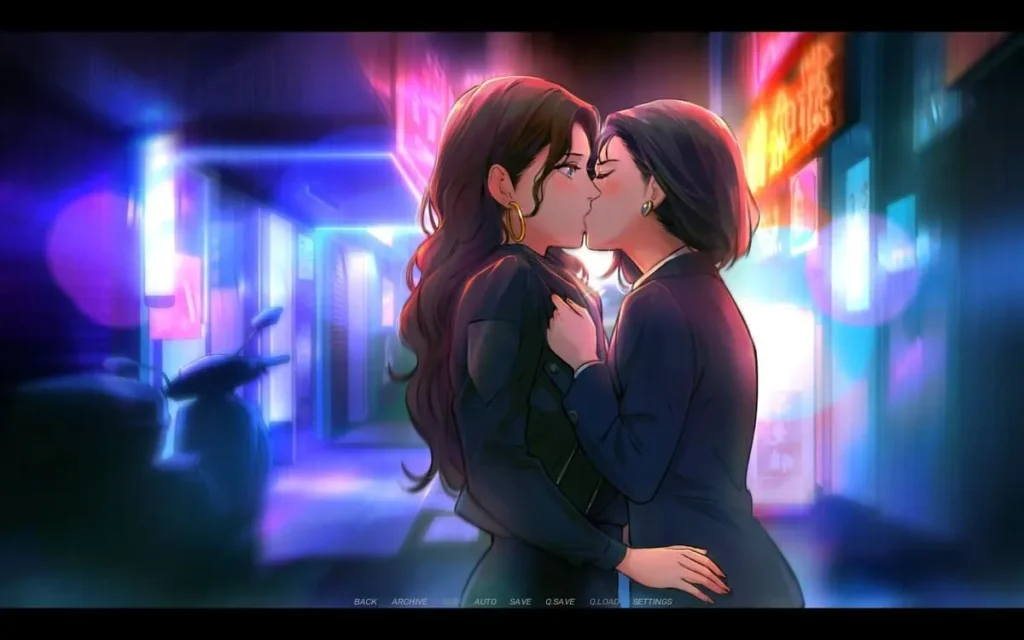
Imagine stumbling upon a chance encounter in the neon-lit streets of 1986 Hong Kong that sparks a tender romance between two women navigating love, identity, and family pressures. That’s the magic of A Summer’s End – Hong Kong, 1986, a visual novel that captures the vibrant energy of 80s city pop and anime-inspired art. I first played it during a rainy evening, and it hooked me with its lush Sai Kung seascapes and Mong Kok bustle. Follow Michelle and Sam’s evolving bond through interactive dialogues, point-based choices, and two poignant endings. Whether you’re here for the emotional depth or the optional intimate scenes via the free adult patch, this guide dives deep into why this game resonates so personally.
What Makes A Summer’s End Hong Kong 1986 a Must-Play Romance?
I was deep in a YouTube rabbit hole of synthwave and city pop, chasing that specific, bittersweet feeling only 80s music can evoke, when I first saw it. 🎵 The thumbnail was a beautiful, rain-streaked illustration of two women under an umbrella in a neon-lit street. That’s how I discovered A Summer’s End – Hong Kong, 1986. It promised not just a nostalgic aesthetic, but a heartfelt story. What I found was a masterclass in emotional storytelling that completely pulled me into its world. This isn’t just a game; it’s a poignant, beautiful slice of life that stays with you. Let me tell you why this Hong Kong 1986 visual novel is an absolute must-play.
Unpacking the Core Story and Character Chemistry
At its heart, A Summer’s End Hong Kong 1986 is about a chance encounter that changes everything. Michelle is a disciplined, somewhat traditional office worker, navigating her career and familial expectations. Sam is a free-spirited, confident photographer who lives life on her own terms. Their worlds collide in a quintessentially 80s Hong Kong setting—a happening disco. 💃
This isn’t an instant, flashy romance. The beauty of the Michelle and Sam romance lies in its slow, authentic burn. The narrative lets you inhabit both their perspectives, feeling Michelle’s cautious hesitation and Sam’s confident, yet patient, attraction. Their chemistry is built through conversations about life, dreams, and the pressures of a city on the brink of immense change. You see it in the quiet moments: sharing a drink, discussing a film, or navigating the crowded streets of Mong Kok.
The conflict feels deeply real. It’s not about grand villains, but about internal and societal pressures—Michelle’s strained relationship with her conservative mother, the weight of “what will people think,” and the personal journey of accepting one’s own identity. This yuri visual novel story handles its queer romance with grace and subtlety, focusing on the universal human emotions of connection, fear, and desire rather than making the relationship itself a spectacle. It’s a love story, first and foremost.
Personal Insight: This game taught me so much about subtle East Asian communication styles. A character’s silence, averted gaze, or a seemingly simple question often carries immense emotional weight, making every dialogue choice feel significant.
How the 1986 Hong Kong Setting Immerses You Completely
The 1986 Hong Kong setting is far more than a pretty backdrop; it’s a vital character in the story. 🏙️ The developers, Oracle & Bone, are clearly in love with the era, drawing inspiration from Hong Kong cinema, 80s anime, and the city’s unique cultural fusion. Every pixel feels lovingly crafted.
You’re immersed in a world of buzzing neon signs advertising Chinese pharmacies and Western brands, cramped yet vibrant night markets, and the distinct aesthetic of a 1980s office. The soundtrack is a gorgeous mix of smooth city pop and melancholic synth melodies that perfectly encapsulate the era’s mood—a mix of optimistic futurism and nostalgic yearning. This was a Hong Kong caught between its colonial past and an uncertain future, a tension that quietly mirrors Michelle and Sam’s own personal crossroads.
The setting feeds directly into the themes. The story explores what it means to find your identity in a place that is itself searching for its identity. When Michelle grapples with tradition versus personal happiness, it echoes the larger cultural conversations of the time. Playing this game feels like stepping into a beautifully preserved memory, a love letter to a specific time and place that makes the romance within it feel all the more precious and fleeting.
Unlocking Bonus Scenes and Multiple Endings
Part of the magic of A Summer’s End Hong Kong 1986 is its interactivity. Your dialogue choices matter, guided by a clever point-based affinity system. Choosing responses that show understanding, support, or shared interest with either Michelle or Sam builds your connection with them. 💞
Here’s the practical advice for your first playthrough: Be genuine and attentive. Listen to what the characters are saying between the lines. To steer clear of the tragic conclusion and learn how to get true ending, prioritize choices that foster open communication and courage. When Michelle is anxious, choose reassuring options. When Sam shares her passion, engage with it. The game rewards emotional intelligence.
Reaching a high enough affinity unlocks tender, crucial bonus scenes that deepen your understanding of their bond. But fail to build that connection, and the story leads to a profoundly moving, yet heartbreaking “Bad End.” The game endings explained here are not about “good” or “bad” in a moral sense, but about the culmination of the emotional journey you’ve shaped.
| Aspect | The True Ending (Together) | The Standard Game Over (Apart) |
|---|---|---|
| Outcome | Michelle finds the courage to choose her own path. She and Sam share a passionate, hopeful kiss in the rain, facing the future together. | Overwhelmed by fear and duty, Michelle lets Sam go. The story closes with Michelle alone in the rain, a moment of profound loneliness and regret. |
| Key Choice Theme | Consistently choosing bravery, honesty, and commitment in the face of pressure. Actively bridging the gap between their worlds. | Succumbing to hesitation, choosing the “safe” or non-committal path, and allowing external pressures to dictate the relationship. |
| Emotional Tone | Cathartic, hopeful, and romantically fulfilling. It validates the struggle and offers a beautiful payoff. | Realistically bittersweet and melancholic. It’s a powerful reminder of the cost of inaction. |
The replay value is incredibly high. I replayed it immediately after my first (successful!) run, this time with the optional adult patch for a more mature portrayal of their intimacy. This “case study” of a second playthrough wasn’t about titillation; it added another layer of emotional depth and vulnerability, making the culmination of their romance feel even more earned and intimate. It’s a testament to how well-crafted these characters are that you want to experience every version of their story.
So, is A Summer’s End Hong Kong 1986 worth your time? Without question. It’s a stunning, emotionally resonant experience that combines a compelling Michelle and Sam romance with one of the most immersive historical settings in the genre. It’s a journey back to 1986 Hong Kong that will make you feel, reflect, and ultimately, believe in the power of a courageous heart.
FAQ: Your Quick Questions Answered
-
What is the point system? How does it work?
The game uses a hidden affinity system. Polite, supportive, and engaged dialogue options increase your “points” with Michelle or Sam. Reaching certain thresholds unlocks special bonus scenes that are essential for deepening the relationship and reaching the best conclusion. -
Does getting the “bad end” lock me out of content?
Not at all! In fact, experiencing the standard game over is valuable. It’s a beautifully written, emotionally impactful conclusion in its own right and helps you appreciate the true ending even more. The game encourages multiple playthroughs. -
Is the replay value high?
Absolutely. Between the two main endings, several bonus scenes to unlock, and the ability to experience the story from both characters’ perspectives more fully, a second playthrough is highly rewarding. It lets you savor the details of the 1986 Hong Kong setting and appreciate the nuance in the character writing.
Diving into A Summer’s End – Hong Kong, 1986 feels like stepping into a vibrant memory of 80s Hong Kong, where Michelle and Sam’s romance unfolds with raw emotion and stunning visuals. From the bustling Mong Kok streets to heartfelt rainy confessions, this visual novel masterfully blends culture, identity, and love without exploiting its themes. My own replays, especially with the adult patch, deepened the connection—proving its replay value. If you crave a story that lingers, grab it now, make those key choices for the true ending, and let it transport you. What’s your take—did you chase the romance or explore the bad path first? Share in the comments and relive the summer’s end.