
Star Periphery
Play Star Periphery
Star Periphery Screenshots
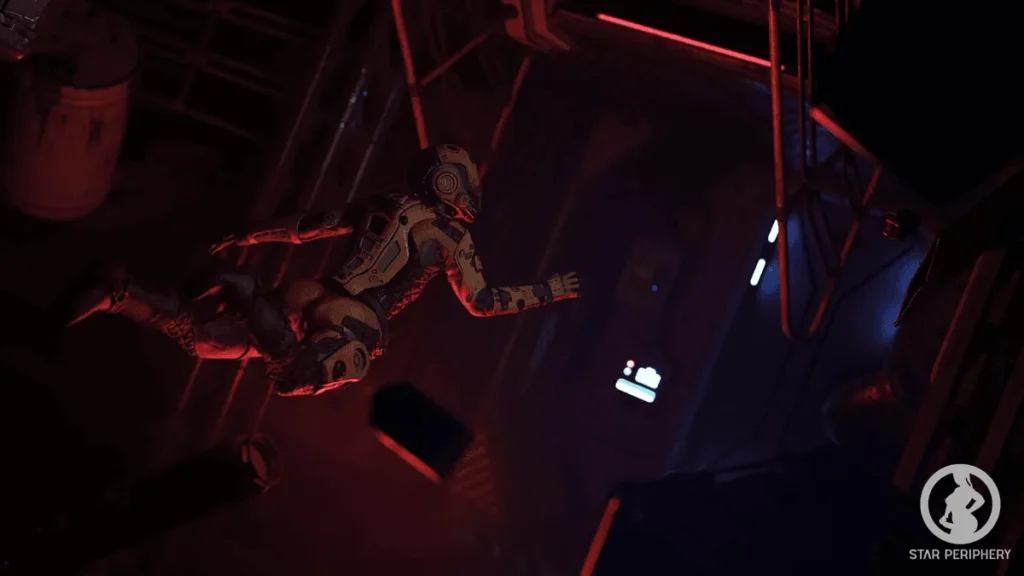

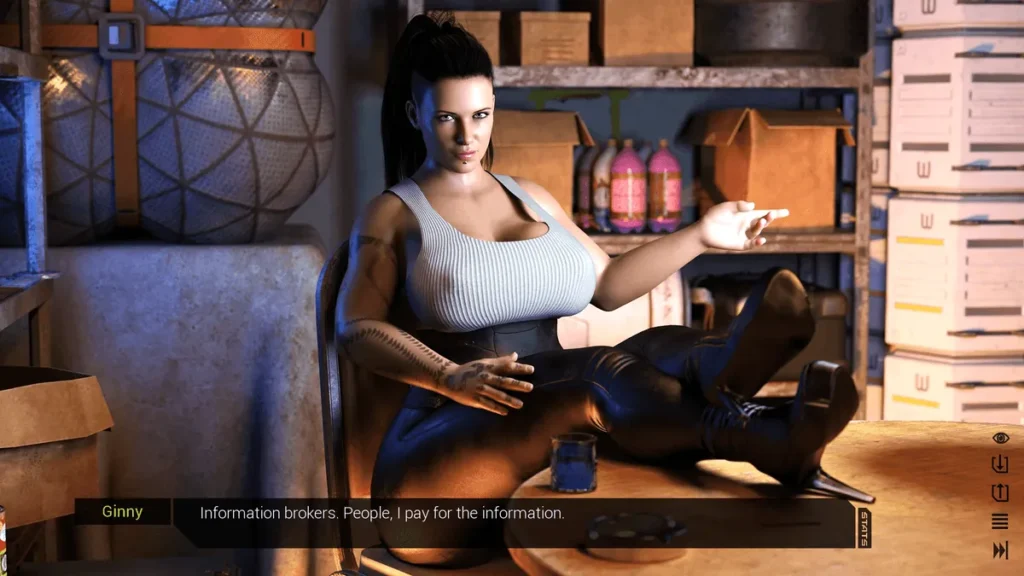

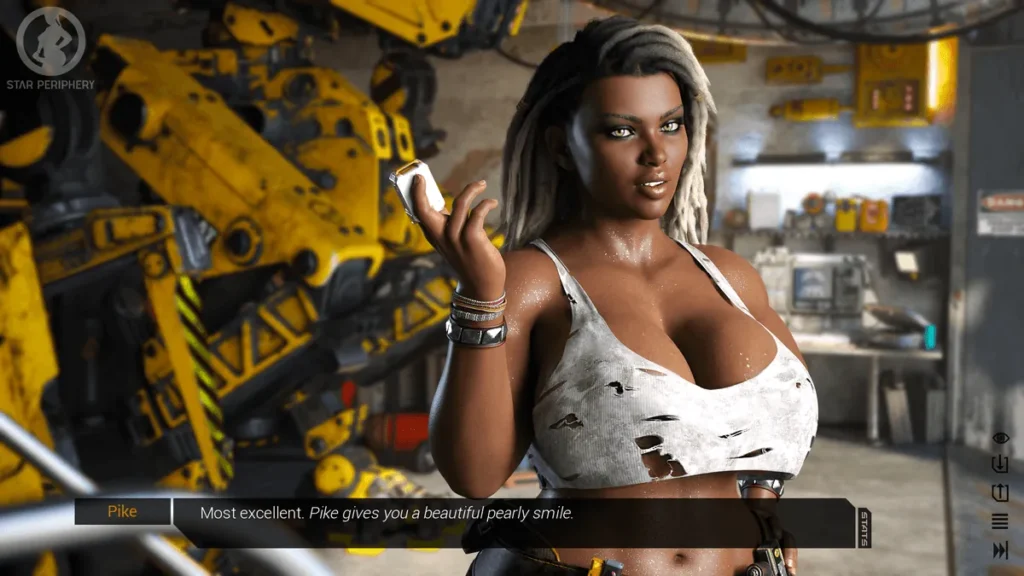

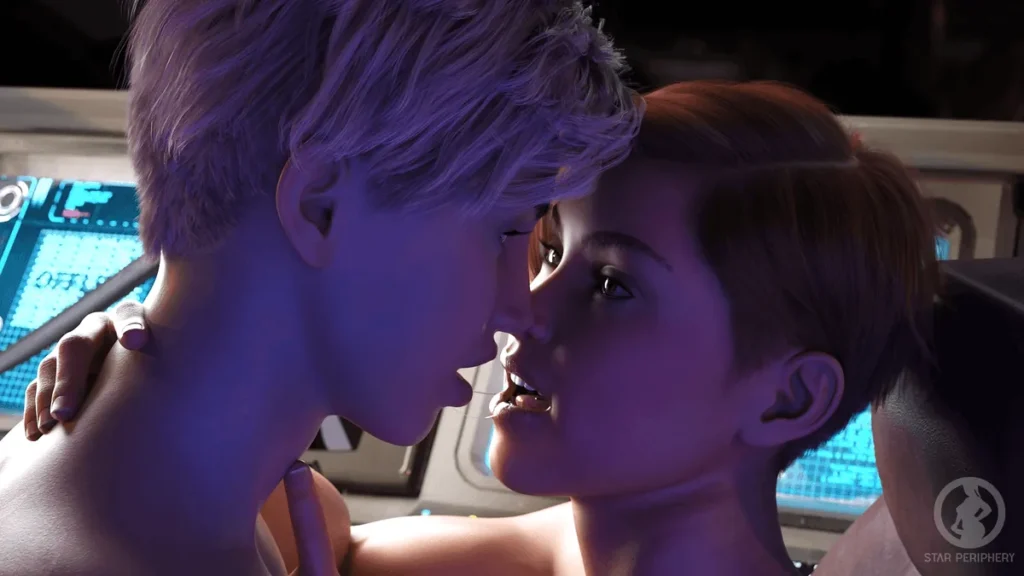

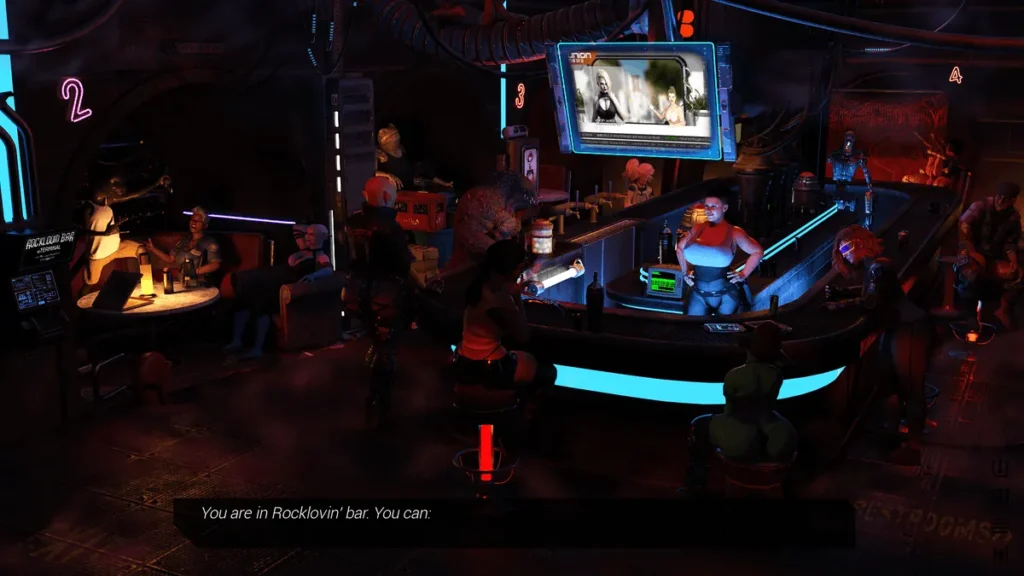
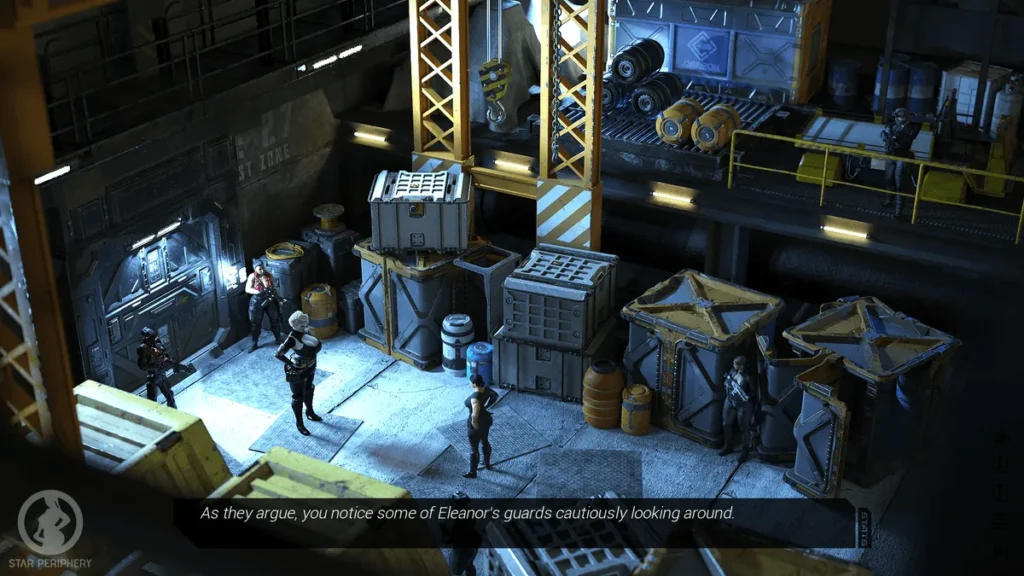
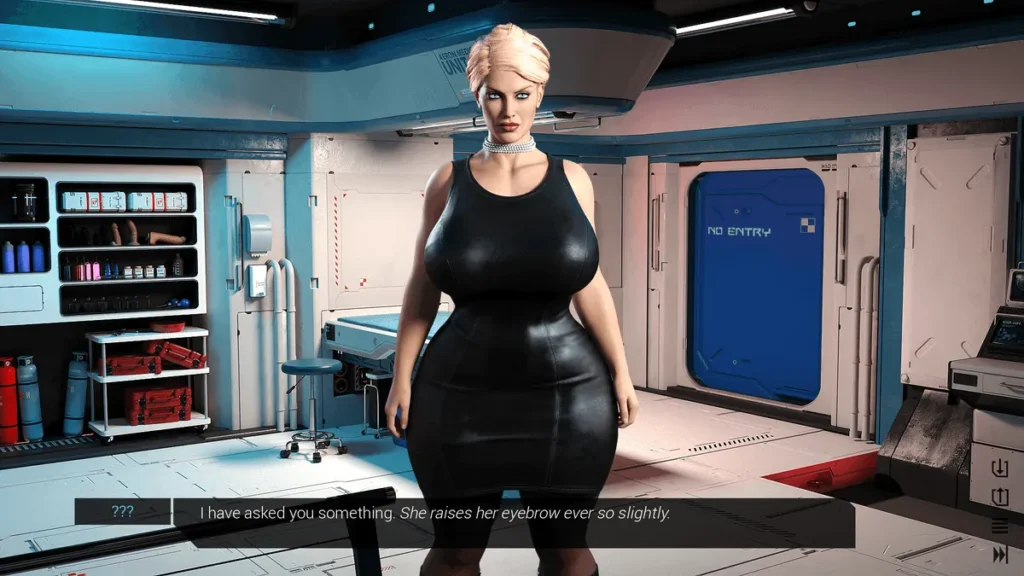

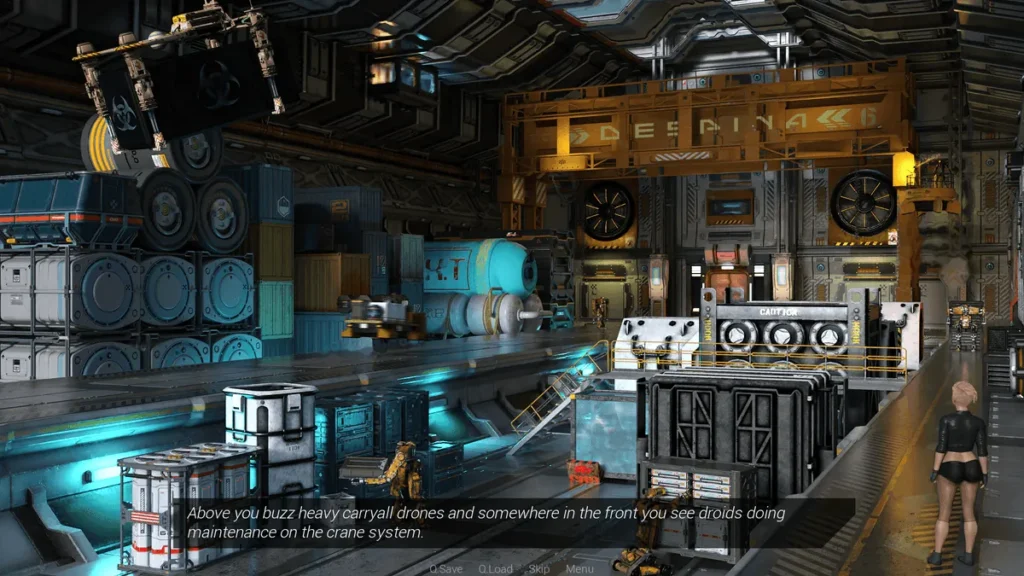
Star Periphery review
Exploring the immersive world, storytelling mechanics, and unique features of this atmospheric adventure
Star Periphery stands out as a distinctive entry in the retro sci-fi gaming landscape, blending nostalgic aesthetics with modern narrative design. This immersive experience transports players into a richly detailed universe where their choices genuinely shape the unfolding story. Whether you’re drawn to atmospheric world-building, branching narratives, or deep character interactions, Star Periphery delivers a compelling adventure that rewards exploration and meaningful decision-making. In this guide, we’ll explore what makes this game special and how to maximize your experience.
Understanding Star Periphery’s Core Experience
Let’s be honest—we’ve all played those games where you’re just going through the motions. 🎮 You follow the glowing marker, you press the button when prompted, and you watch the story unfold exactly the same way every time. It can feel… hollow. I remember booting up Star Periphery for the first time, expecting maybe a neat, nostalgic trip, and within an hour, I was completely lost in its rusty, neon-drenched corridors, not because I didn’t know where to go, but because I was too busy living there. This is a game that doesn’t just want you to see its world; it wants you to breathe its recycled air, make questionable friends, and live with the echoes of your decisions.
This chapter is your guide to understanding that magic. We’re peeling back the hull plating to explore the core Star Periphery gameplay experience, examining the retro sci-fi game mechanics that power it, and discovering why this choice-driven adventure game feels so uniquely alive. 🚀
### What Defines the Star Periphery Gameplay Loop?
Forget about leveling up a skill tree or grinding for better laser rifles. The heart of Star Periphery gameplay beats to a different rhythm—one of curiosity, conversation, and consequence. The core loop isn’t about “kill, loot, repeat”; it’s “explore, interact, and influence.” Your primary tools are your attention to detail and your ability to talk to people.
At its foundation, this is a game about being a person in a complicated, lived-in universe. You might start your session intending to finally deliver that cargo manifest to Portside Station, but on the way, you’ll overhear a frantic argument between a mechanic and a trader. 🛠️ Deciding to step in (or to quietly listen from the shadows) opens up a new thread. Helping the mechanic might earn you a backdoor pass to the engineering bay later, a location you’d never see otherwise. Ignoring it might mean that same mechanic refuses to fix your ship’s hyperdrive when you’re desperate later on.
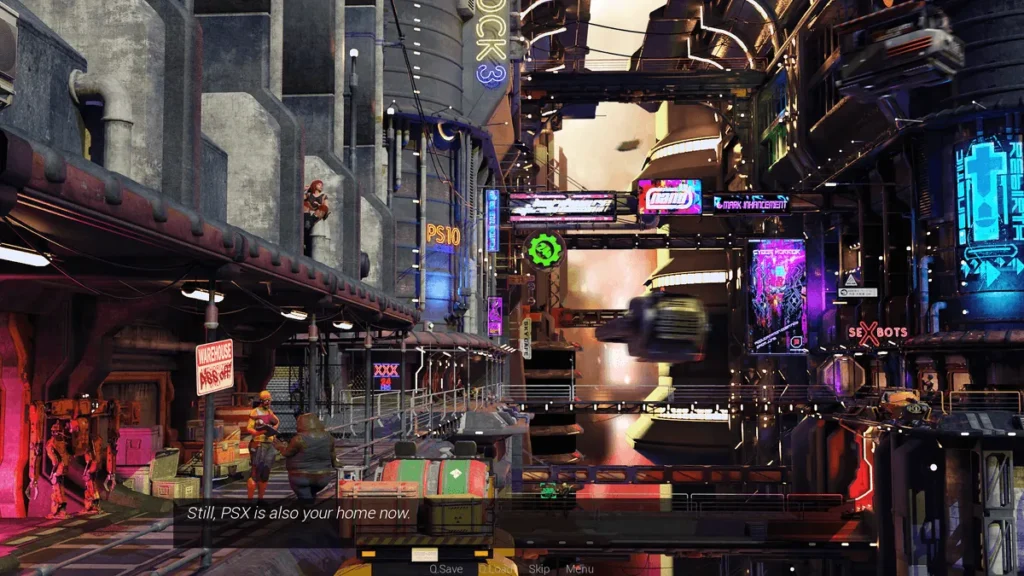
This is where the brilliant retro sci-fi game mechanics shine. The game deliberately uses limited, pixel-art visuals and a synth-wave soundtrack not just as an aesthetic choice, but as a design one. By not relying on hyper-realistic graphics, it forces your imagination to fill in the gaps, making the world feel larger and more personal. You’re not just observing a high-definition scene; you’re actively constructing it in your mind based on dialogue snippets, environmental clues, and subtle sound design. The creak of a space station hull, the static of a distant transmission, the flicker of faulty lights in a back alley—these aren’t just ambiance; they’re integral parts of the immersive game world design.
My biggest tip for new players? Slow down. The game actively punishes rushing. I learned this the hard way. In my first playthrough, I blew through dialogue options with a key smuggler named Kael, just trying to get the information I needed. I got the info, but I missed the nuance in his tone, the offer of a future partnership, and the location of his hidden stash. On my second run, I took my time, asked about his past, and bought him a drink at the grimy station bar. That single conversation altered my entire mid-game, giving me access to cheaper black-market gear and a warning about an ambush I would have walked right into.
Pro Tip: Treat every location like a crime scene or a mystery. Look at everything. Read the faded posters on the wall, listen to the idle chatter of NPCs in the mess hall, and check the logs on abandoned terminals. The world is dripping with stories that directly feed into the main branching narrative game.
### The Atmospheric Design That Sets It Apart
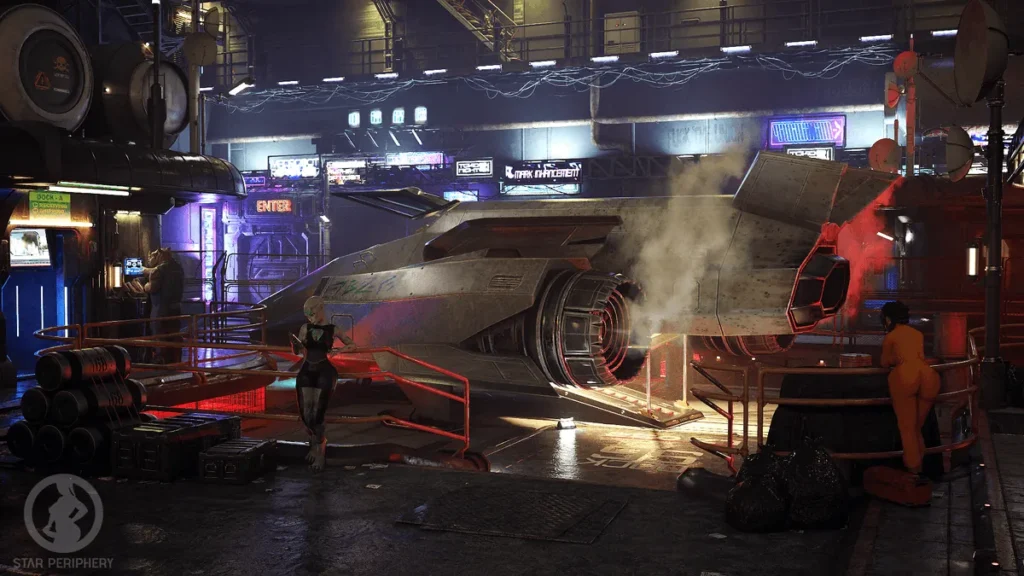
If the Star Periphery gameplay loop is the engine, then the atmosphere is the soul that makes the journey unforgettable. This isn’t the sterile, Apple-store futurism of some sci-fi. This is the universe of Blade Runner, Alien, and classic cyberpunk paperbacks—a world that has been used, broken, repaired with tape, and used again. It’s a masterclass in atmospheric sci-fi experience.
The visual language speaks of decay and fleeting hope. You’ll navigate through corridors where exposed wiring drips coolant like sap, past viewports showing the endless, beautiful void of space scratched and smudged by countless hands before yours. 🪐 Color is used with purpose: the sickly green of monitor light on a weary face, the urgent red of a lockdown alarm, the calming blue of a hydroponics bay—a rare oasis of life. This immersive game world design makes every location feel like a character with its own history and mood.
Sound is your constant companion and guide. The soundtrack, a gorgeous blend of synth and ambient noise, dynamically reacts to your situation. It swells with haunting melodies during a tense escape through an airless derelict ship, then drops to near-silence, leaving only the sound of your character’s breathing and the ominous thumps something makes in the adjacent corridor. It’s terrifying and brilliant. I’ll never forget the first time I heard the “proximity music”—a subtle, creeping synth line that starts to play when hostiles are nearby but not yet visible. It trained me to listen to the environment as intently as I looked at it.
This atmosphere is directly tied to the NPC interaction mechanics. Characters aren’t just standing around waiting for you. They have routines. You might find a miner ending her shift and heading to the bar, or a technician arguing with a faulty vending machine. Engaging with them feels natural because they feel like they exist in this space independently of you. The game’s dialogue system often gives you multiple ways to approach a conversation: blunt and direct, charming and playful, cynical and sarcastic, or quietly observational. Your chosen tone doesn’t just change the response—it changes how that character perceives you for the rest of the game.
### How Choices Shape Your Adventure
This is where Star Periphery truly ascends from a great game to a memorable personal journey. It is the definition of a branching narrative game, but with a crucial twist: the branches aren’t always obvious, and they intertwine in ways you can’t predict. Every choice, from the monumental (do you betray a faction to save a friend?) to the seemingly minor (do you pay for a stranger’s meal?), sends ripples through the narrative pond.
The game operates on a principle of “consequence, not morality.” There’s rarely a simple “good” or “evil” choice. Instead, you’re making practical, often messy decisions in a grey universe. Early on, I was tasked with retrieving some stolen data. I found the thief, a scared kid just trying to buy medicine for his sister. I had three clear options: take the data by force, buy it from him with my own credits, or report his location to my employer and wash my hands of it. I chose to buy it, thinking I’d done the “good” thing. Weeks later in the game, that same kid tried to scam me again, having learned that I was a soft touch. My “kindness” had taught him the wrong lesson. That hurt more than any game-over screen ever could.
The NPC interaction mechanics are the primary vehicle for these choices. Building trust with characters opens up new dialogue branches, secret missions, and alternative solutions to problems. Conversely, burning bridges can close off entire sections of the story. I played through a section where getting past a guarded checkpoint required either a hefty bribe (which I couldn’t afford), a fake ID (which required helping a forger with a separate task), or leveraging my friendship with a local bartender who vouched for me. My previous investment in that relationship paid off in a way I never anticipated.
This design makes Star Periphery a phenomenal choice-driven adventure game. You’re not playing a predefined hero; you’re writing your own flawed, human story within a stunning sci-fi framework. The game rewards you not with experience points, but with depth—deeper relationships, a richer understanding of the world’s politics, and unique narrative outcomes that feel truly earned.
To help visualize how different playstyles lead to wildly different adventures, let’s break down three core approaches:
| Playstyle Focus | Core Actions | Potential Outcomes & Rewards |
|---|---|---|
| Exploration-Focused 🗺️ | Scanning every room, reading all logs, investigating side paths and derelicts. | Uncover hidden backstories, find unique schematics or bypass codes, trigger rare environmental events, gain deep lore understanding that unlocks special dialogue options. |
| Story-Focused 📖 | Prioritizing main quest threads, engaging with key faction characters, following central plot clues. | Clear understanding of the central conflict, stronger alliances with major powers, access to high-stakes narrative branches and endings, more cinematic set-piece moments. |
| Character-Relationship-Focused 🤝 | Spending time with NPCs, completing personal quests for them, choosing dialogue that builds rapport or conflict. | Gain loyal companions who provide aid in crises, unlock personal quests that reveal the world’s heart, receive unique items and support, experience deeply emotional narrative payoffs. |
The beauty is that these styles aren’t exclusive. Your journey will likely be a blend, but leaning into one can define your unique experience. My most rewarding run was heavily character-focused. By the end, I felt a genuine connection to my ragged crew, and the final mission wasn’t about saving the galaxy—it was about saving them. That emotional weight is the game’s greatest achievement.
Ultimately, the core experience of Star Periphery is one of profound agency within a beautifully crafted, decaying world. Its Star Periphery gameplay asks for your curiosity and rewards it with a story that feels uniquely yours. It proves that the most powerful retro sci-fi game mechanics aren’t about pixel-perfect jumps, but about pixel-perfect moments of connection, consequence, and discovery. So power up your terminal, adjust the contrast on your old monitor, and step into the periphery. Your story, in all its gritty, glorious, and unpredictable detail, is waiting. ✨
Star Periphery delivers a compelling retro sci-fi experience that rewards player curiosity and meaningful engagement. By taking time to explore the richly detailed world, interact thoughtfully with NPCs, and make deliberate choices, you’ll uncover a narrative experience that feels genuinely responsive to your decisions. The game’s strength lies in its commitment to player agency—your choices truly matter, shaping not just the story you experience but the relationships you build and the content you unlock. Whether you’re seeking an immersive atmospheric adventure or a deeply branching narrative experience, Star Periphery offers a unique gaming journey that respects player preferences while delivering consistent quality and depth. Start your exploration today and discover why this retro sci-fi universe captivates players seeking something beyond conventional gaming experiences.